Source Eco Friendly Silicone Baking Mat for Home, Commercial, and Pastry Use
Explore 30 listings for eco friendly silicone baking mat options from China. Compare features like heat resistance, customization, and material grades to find suitable suppliers for your business needs; compare the available evidence and request quotations based on your requirements.
Key considerations
Products List






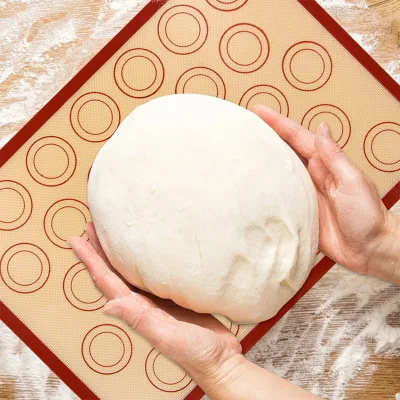


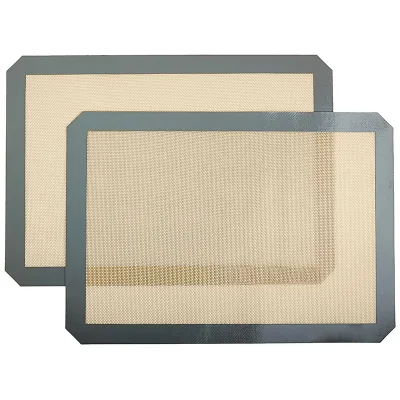

Comprehensive Sourcing Guide
Eco Friendly Silicone Baking Mat Sourcing Guide
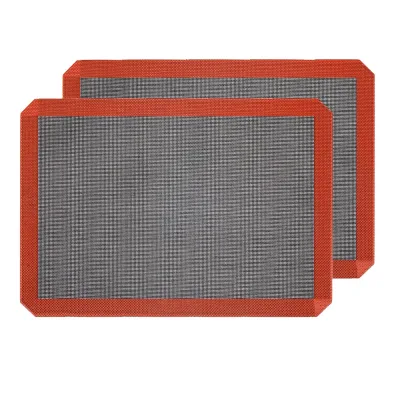
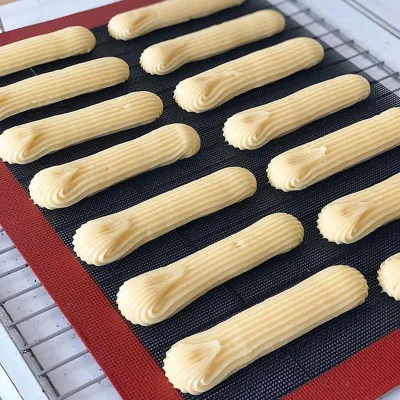
Procurement teams must first distinguish between general baking mats and specialized perforated hollow designs when sourcing eco-friendly silicone products. The observed market data indicates a clear split between standard baking mats and specific perforated variants designed for enhanced airflow during pastry preparation. Buyers should verify that the product description explicitly mentions "Perforated Silicone Hollow Baking Mat" if their application requires specific heat distribution or grease drainage, as standard solid mats may not offer these functional benefits.
Additionally, the material composition is a critical differentiator that directly impacts the sustainability profile of the purchase. While many listings simply state "Silicone," trusted category knowledge and specific product facts confirm that "Food Grade Silicone" is the requisite standard for safe food contact. Sourcing professionals must ensure that the supplier explicitly confirms the food-grade nature of the material rather than relying on generic silicone claims, as this distinction is vital for regulatory compliance and consumer safety in the food industry.
Product Scope and Observed Listing Signals
The current market landscape for these products reveals a diverse range of customization options that extend beyond simple color selection. Suppliers frequently offer logo printing and custom packaging solutions, including boxes or tubes, which allows brands to maintain a cohesive identity. The observed data shows that customization is widely available, with specific mentions of "Logo and Packing Box or Tube" as standard OEM services, enabling buyers to tailor the product to their specific retail or promotional needs without requiring unique tooling investments.
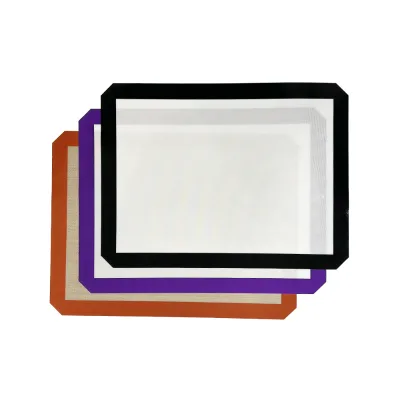
Color and dimensional variability are also significant factors in the product scope, with listings displaying options like red, pink, blue, orange, and green. Some products feature specific design elements such as a "Red Edge," while others offer fully customizable color schemes. Buyers must carefully review the "prod_packing" and "prod_standard" fields to understand if the dimensions, such as 2926cm or 4030cm, are fixed or adjustable, ensuring the selected mat fits their specific oven racks or baking trays before committing to an order.
Technical Specifications to Verify
Temperature resistance is a primary technical specification that must be rigorously verified to ensure product longevity and safety during high-heat baking. The observed data explicitly cites a temperature range of -40 to +230 degrees, which covers standard freezing and baking requirements. Procurement teams should confirm that the specific unit being purchased maintains this full range, as inferior silicone formulations may degrade or release fumes when exposed to the upper limits of this spectrum, particularly in commercial ovens.
Thickness and structural integrity are equally critical for performance, with observed listings indicating a thickness of 0.4mm or custom options. The presence of "Fiberglass Type: E-Glass" in some specifications suggests that certain mats may include reinforcement layers to prevent warping or tearing during repeated use. Buyers must verify if the fiberglass component is intended for structural support or if it is a mislabeled attribute, ensuring the final product offers the necessary durability for professional kitchen environments without compromising the flexibility required for easy storage.
Compliance and Safety Documentation
Regulatory compliance is non-negotiable for food-contact silicone products, and buyers should demand specific certification documentation before finalizing any purchase. The observed product facts list "RoHS" and "ISO" certifications, which serve as strong indicators of adherence to international safety and environmental standards. However, these certifications must be current and applicable to the specific model number, such as EG002 or EG003, rather than being generic claims that do not cover the actual manufacturing batch being supplied.
Beyond certifications, the material safety profile must be validated through independent testing reports that confirm the absence of harmful substances. While some listings mention "Alkali Free" properties, this attribute is often associated with fiberglass mesh rather than the silicone itself, creating potential confusion in the documentation. Sourcing teams must request clear test results that specifically address food safety for the silicone component, ensuring that the "Food Grade" claim is backed by laboratory data rather than marketing assertions.
Cost Drivers and Commercial Terms
The pricing structure for eco-friendly silicone baking mats is influenced heavily by the level of customization and the complexity of the mold design. Observed price ranges vary significantly from 0.3 to 4.8 USD, reflecting differences in material quality, thickness, and the inclusion of custom branding elements. Buyers should anticipate that higher prices correlate with more complex features, such as perforated designs or reinforced fiberglass layers, which require more precise manufacturing processes and higher-grade raw materials.
Minimum Order Quantities (MOQ) and lead times are also key commercial variables that impact the total cost of ownership. The market data shows an MOQ range of 2 to 500 units, offering flexibility for both small startups and large distributors. However, custom orders involving specific logos or unique packaging often require higher volume commitments to justify the setup costs. Procurement teams must negotiate these terms carefully, balancing the desire for customization with the need to maintain healthy inventory turnover and cash flow.
Supplier Qualification and Quality Control
Supplier qualification should focus on verifying the origin and manufacturing capabilities of the production facility. The observed data points to origins in China, specifically Fujian and Jiangsu provinces, which are known hubs for silicone manufacturing. Buyers must confirm that the supplier has a dedicated production line for food-grade silicone to ensure consistency, as mixing food-grade and industrial-grade production lines can lead to contamination risks that compromise the final product quality.
Quality control protocols must be established to verify that every batch meets the specified standards for thickness and temperature resistance. Since the "Quality" attribute is listed as "Best" in some listings, this is a subjective claim that requires objective verification through pre-shipment inspections. Buyers should implement a sampling plan that tests for heat resistance and material integrity, ensuring that the "Customized" standards are met consistently across the entire order volume.
Long-Term Procurement Checks
Sustainability claims require ongoing verification to ensure that the "Eco-Friendly" and "Sustainable" attributes remain valid over the product lifecycle. While the product facts highlight these features, buyers must monitor the supplier's adherence to environmental standards and the durability of the mats to prevent premature disposal. Long-term procurement strategies should include periodic audits of the supplier's material sourcing to confirm that the silicone remains free from harmful additives and that the production process minimizes environmental impact.
Finally, the relationship with the supplier should be managed through continuous performance reviews that track consistency in delivery and product quality. The availability of OEM and ODM services suggests a partnership model where the supplier adapts to changing market needs. Buyers should establish clear communication channels for feedback on product performance, ensuring that any issues with heat resistance or material degradation are addressed promptly to maintain the integrity of the brand and customer satisfaction.
FAQs
What material is used for the eco friendly silicone baking mat?
The product is made from food grade silicone, ensuring safety for direct food contact. This material offers heat resistance from -40 to +230 degrees Celsius. It is suitable for use in ovens, microwaves, and refrigerators without degrading or leaching harmful substances during baking processes.
Can I customize the logo and packaging for this baking mat?
Yes, customization is available for both logo and packaging boxes or tubes. Buyers can request specific packing options like OPP bags or standard export packages. OEM and ODM services are highly welcomed to meet unique branding requirements for bulk orders.
What certifications do these silicone baking mats hold?
The products hold RoHS and ISO certifications, confirming compliance with safety and quality standards. These certifications ensure the materials are free from harmful substances. Buyers can rely on these verified standards when sourcing for commercial or retail distribution channels.
What are the available thickness and size specifications?
Thickness options include 0.4mm or custom requests to suit specific baking needs. Standard sizes range from 29x26cm to 40x30cm, with other dimensions like 38x28x0.3cm also available. Custom specifications can be arranged to fit various commercial baking equipment requirements.
Where are these silicone baking mats manufactured?
These mats originate from China, specifically from factories in Fujian and Jiangsu provinces. The manufacturing locations ensure access to established supply chains for silicone products. Buyers can expect consistent production capabilities from these verified regional sources.
What is the minimum order quantity for this product?
The minimum order quantity ranges from 2 to 500 units depending on the specific supplier and customization level. Flexible MOQs allow small businesses to test the market while accommodating larger wholesale orders. Buyers should confirm exact MOQs with selected vendors before placing orders.
Are these baking mats considered sustainable and eco-friendly?
Yes, the products are explicitly labeled as sustainable and eco-friendly features. They are designed to reduce waste by replacing disposable parchment paper. The durable silicone material ensures long-term usability, supporting environmentally conscious baking practices for both home and commercial users.